Reset veterinary behaviour clinic methods for dogs
Dr Irene Welford-Christie uses a clear, science-based approach to help dogs achieve lasting behavioural change. This approach follows three stages, each designed to support both your dog's emotional wellbeing and their ability to learn effectively. Irene's work is based on understanding the emotional systems that drive canine behaviour. These include positive systems, such as play, exploration and curiosity, as well as protective systems like fear, frustration and anxiety.
Working within professional standards
Physical health assessment
Physical health and behaviour are closely linked. Pain, itchy skin, intestinal discomfort or changes in hormones can all influence how a dog feels and responds. A veterinary-led assessment helps identify physical health factors that may be contributing to the behaviour and ensures these are addressed alongside the behavioural plan.
Environmental assessment
A dog’s environment can either help them feel safe and settled or add to their stress. Their home, daily routine, opportunities for rest, exercise, enrichment and exposure to triggers are considered to identify changes that can reduce pressure and support emotional wellbeing.
Emotional system
Irene's work is based on understanding the emotional systems that drive canine behaviour. These include positive systems, such as play, exploration and curiosity, as well as protective systems like fear, frustration and anxiety. When a dog's emotional balance shifts, particularly if negative emotions outweigh positive ones, behavioural problems can develop. Irene carefully assesses which emotional systems are active for your dog and how their environment and physical health may be contributing to this imbalance. Reset Veterinary Behaviour Clinic is also able to recommend medications to rebalance the neurotransmitters in the brain, which affect a dog’s behaviour where needed.
Learning and cognitive health
Previous experiences and learning can strongly influence how a dog responds today. Their behavioural history is explored to understand how particular responses have developed and been reinforced over time. Cognitive health is also considered where appropriate, particularly in older dogs or where changes in behaviour cannot be explained by learning alone.

Reset - creating calm and emotional stability
The first step focuses on helping your dog feel safe and relaxed. When dogs are anxious, overwhelmed or over-aroused, their brain switches into survival mode. In this state, they are not being naughty or disobedient, they are simply unable to think, learn or respond calmly.
During the RESET stage, the goal is to reduce stress and bring your dog back to a calm emotional state. Out of all the stages of the behavioural programme, this is the most important and is the foundation for behavioural change. If for financial reasons you are unable to complete the whole programme, many pet carers find that this stage has a huge impact alone.
Rewire - teaching new responses
Once your dog is calm, we can begin to teach new ways of responding. Dogs learn through repetition, and their brains are constantly forming new pathways, a process known as neuroplasticity.
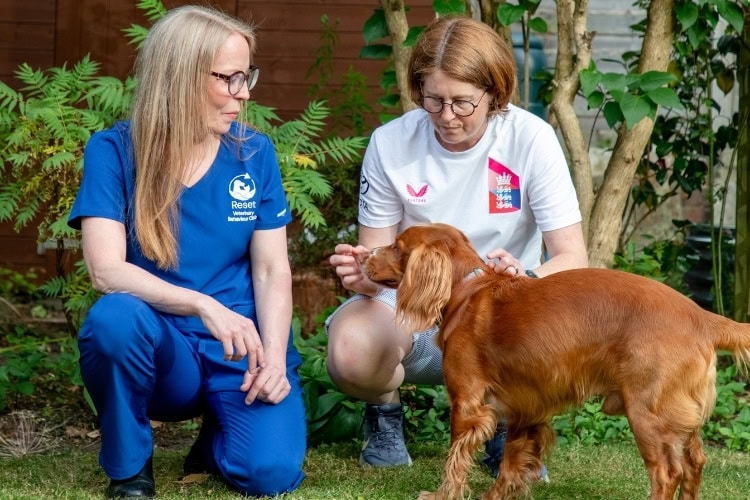
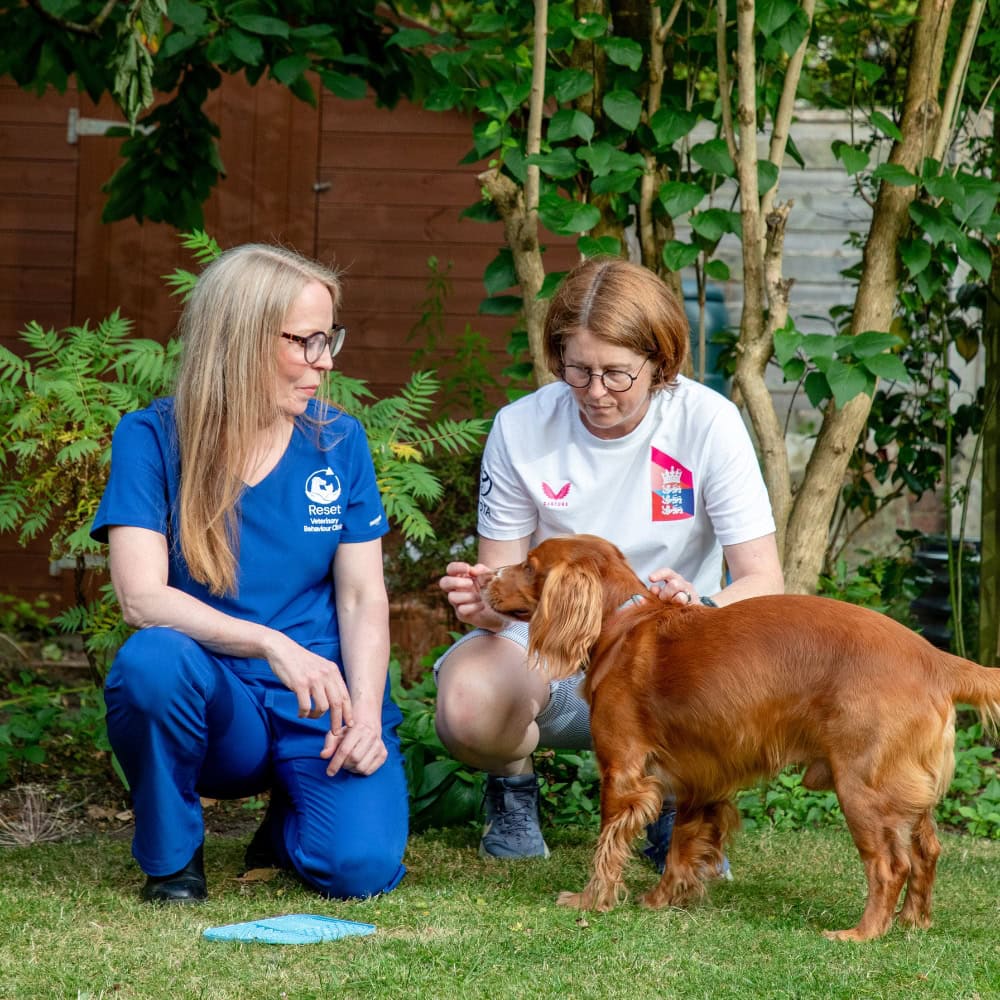
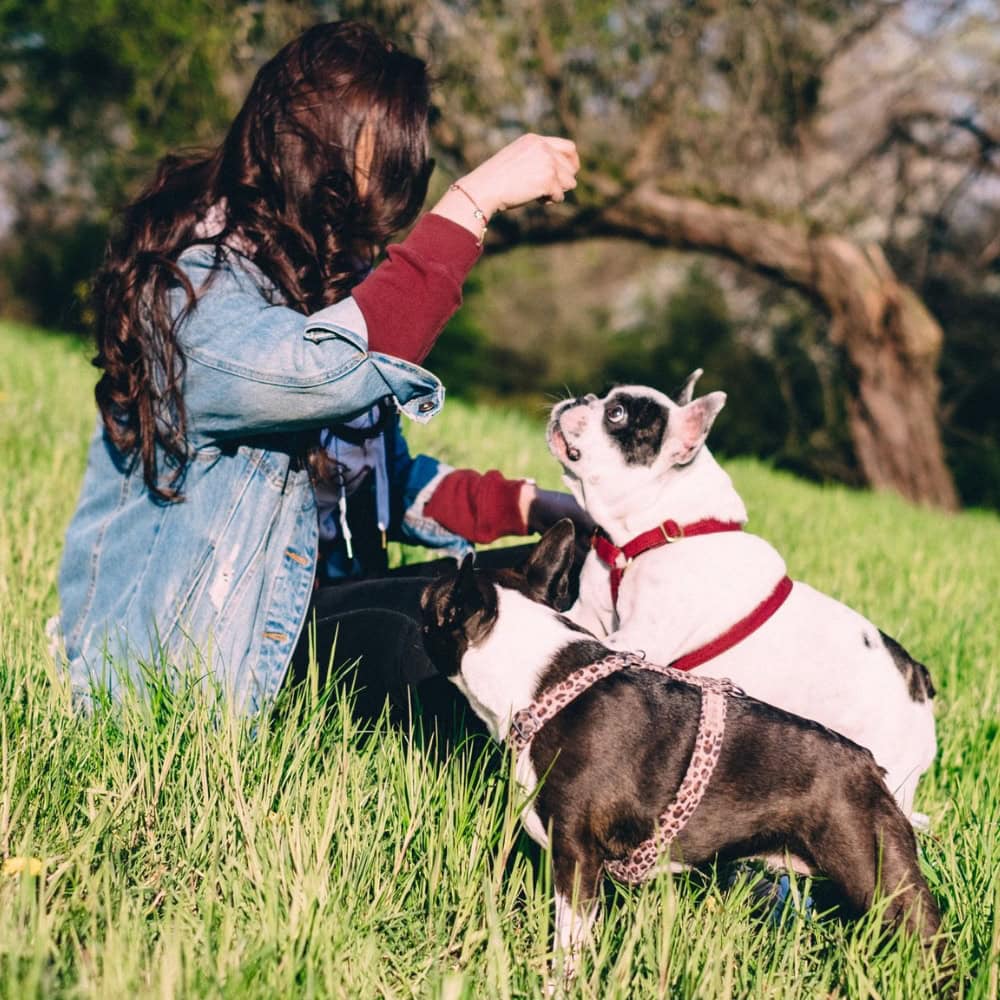
During this stage Irene guides you while you teach your dog new responses in a low-pressure environment. Using positive reinforcement, dogs are rewarded for behaviours such as focusing, disengaging from triggers, and problem solving.
Over time, these calm responses become more natural, while reactive behaviours begin to fade. This stage builds confidence and helps your dog feel more in control of their environment.
Rebuild - bringing new skills into daily life
The final stage is about helping your dog use their new skills in everyday situations. This is done gradually, so your dog is never overwhelmed.
Over time, your dog learns that situations which once felt stressful are now safe, and even positive. This leads to lasting, meaningful behavioural change that works in the real world.
Over time, your dog learns that situations which once felt stressful are now safe, and even positive. This leads to lasting, meaningful behaviour change that works in the real world.
"Aversive, punishment-based techniques have been extensively studied and shown to be ineffective and potentially harmful. While they may suppress unwanted behaviour in the short term, they are associated in the longer term with increased anxiety, reduced trust, and a higher risk of fear-related aggression. For this reason, only positive, reward-based learning approaches are used throughout."

"We honestly can't thank you enough for everything you've done to help Ralph overcome separation anxiety. Before working with you, we felt completely overwhelmed and heartbroken seeing how distressed Ralph became whenever we had to leave the house. It was affecting all of us, and we weren't sure things would ever improve.
From the moment we met you, your kindness, patience, and genuine understanding gave us hope. You never made us feel judged, and you took the time to explain everything clearly while creating a plan that suited both Ralph and our family."
"This three-stage process is not about fixing your dog, but about helping them feel safe, think more clearly, and develop more appropriate behavioural responses. Through the Reset, Rewire and Rebuild framework, Irene supports both you and your dog in creating calmer, more confident behaviour that is sustainable over time."
Let's help your pet change their behaviour, by changing how they feel
Get in touch to discuss a referral, or find out more about how we can help.